MLM vs Pyramid Scheme: 9 Red Flags of a Bad Opportunity
MLM vs pyramid scheme: the legal difference in plain words, 9 red flags of a bad opportunity, and how to check any company in 30 minutes.

Quick answer: An MLM pays you mainly on sales to real customers. A pyramid scheme pays you mainly for recruiting, and it's illegal. The biggest red flags are pay tied to sign-ups, required inventory or monthly purchases, income or lifestyle promises, pressure to decide today, and no published earnings disclosure.
I've been invited to a lot of things over the years. Some were real businesses. Some weren't. Here's how to tell the difference before you hand anyone your money, your weekends or your relationships.
What is the difference between an MLM and a pyramid scheme?
The difference is where the money comes from. In a legitimate multi-level business, you can earn by selling a real product or service to real customers. In a pyramid scheme, income comes mainly from recruiting new people, often through their sign-up fees or required purchases. The FTC says if a pitch focuses on recruiting and says little about selling to the public, walk away (FTC: MLMs and pyramid schemes).
Pyramid schemes are illegal. That doesn't make every MLM good. Many legal MLMs still leave most people earning little or nothing, and the FTC's business guidance on multi-level marketing warns that income claims should reflect typical participants, not the top.
What are the red flags of a bad opportunity?
- You're paid for sign-ups. If anyone earns money just because you joined, that's the classic pyramid sign.
- Required inventory or monthly orders. If you have to buy product to stay "active" or keep your rank, your own purchases become the sales.
- Income and lifestyle promises. "Replace your income in six months," cars, beaches and "fire your boss." The FTC treats lifestyle claims as income claims.
- Pressure to decide today. Real opportunities survive a weekend of prayer and a talk with your spouse.
- No earnings disclosure, or a hidden one. If they won't show you what typical people earn, assume it's low.
- Front-loaded costs. Big starter packs, mandatory events or lead packages before you've learned anything.
- "Just make a list of everyone you know." On day one, with no training, aimed at your family.
- The product is an afterthought. If nobody would buy it without the business opportunity attached, the business is the product.
- They trash every other company. Confident businesses explain themselves. They don't need to tear others down.
How do you check a company in 30 minutes?
- Search the company's name with "complaints," "lawsuit" and "FTC."
- Look up the person recruiting you. For insurance, every agent should show up at their state insurance department. For investments, check FINRA BrokerCheck.
- Ask for the published earnings disclosure and read the typical figure, before expenses.
- Ask what it costs to start and what it costs every month to stay.
- Ask an accountant or attorney who isn't connected to the company to read the agreement. The FTC recommends this too.
Do these red flags apply to insurance teams?
Yes. Insurance is a real, regulated product, but a team can still pitch it the wrong way. Watch for leaders who talk more about recruiting than about clients, who show checks and cars, who push you to buy leads before you're licensed, or who rush you. I wrote more about this in is life insurance an MLM?.
When someone asks me if what I do is a pyramid scheme, my answer is short: no, that's illegal, and nobody here gets paid for a sign-up. Pay comes from real policies for real clients, and when you help other agents get good at that, your pay grows with the value you bring to both. Then I tell them the part people don't expect: nobody is getting rich overnight. It's real work.
What do green flags look like?
- They tell you the cost up front, including license, background check and monthly fees.
- They show you the earnings disclosure without being asked twice.
- They tell you who it's not for.
- They put a mentor on your calls instead of a quota on your back.
- They encourage you to read the contract and talk to your spouse, and to a lawyer if you have questions.
- They can explain what happens to your income and your team if you leave. More on that in what happens to your renewals when you leave.
What should you do if you've already been burned?
Don't let it make you cynical, and don't let it make you stop building. Let it make you wise. Bring every hard question you learned the hard way into the next conversation. The right people will welcome them. Then compare models side by side with builder model vs MLM vs commission only and work through these questions to ask before you join.
Frequently asked questions
What is the difference between an MLM and a pyramid scheme?
In a legitimate MLM, you can earn by selling to real customers. In a pyramid scheme, income comes mainly from recruiting new people. Pyramid schemes are illegal.
What is the biggest red flag of a pyramid scheme?
Getting paid for sign-ups. If people earn mainly because others join, pay fees or buy starter kits, rather than from sales to real customers, that's the biggest warning sign.
Are all MLMs pyramid schemes?
No. But many legal MLMs still leave most participants earning little or nothing. Ask for the earnings disclosure and look at the typical result before expenses.
How can I check if a business opportunity is legit?
Search the company with words like complaint and lawsuit, look up the person's license, read the earnings disclosure, total the costs, and have an independent accountant or attorney read the agreement.
You're not stuck. You're on a step. And the whole point of building is that every step stays built.
Let's build together.
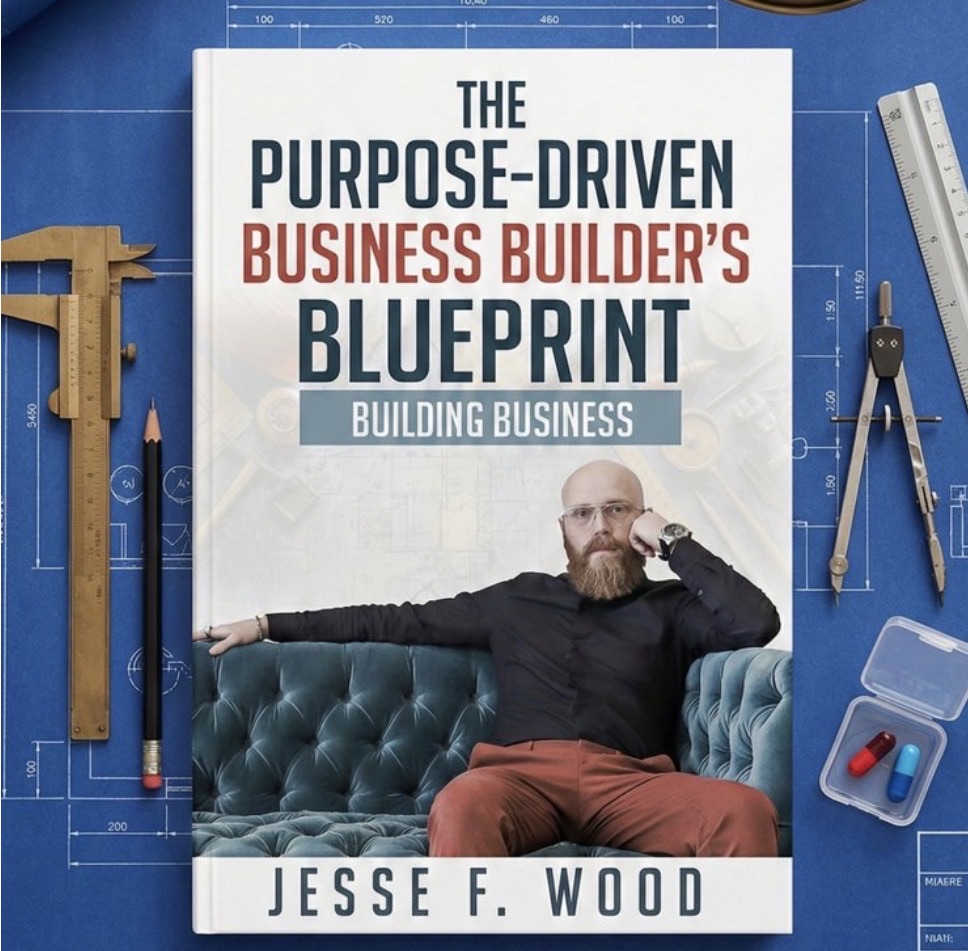
The Purpose-Driven Business Builder's Blueprint walks you through all 7 steps.