Builder Model vs MLM vs Commission Only: Stop Starting Over
Builder model vs MLM vs commission only, compared fairly: how each one pays, what you keep if you leave, and why building can beat starting over.
Quick answer: A builder model pays you on your own client work and on the agents you train into agency owners, so what you build keeps counting. Commission-only work restarts at zero every month. An MLM pays on product sales through a downline. The right model depends on one question: do you want to sell, or do you want to build?
I've sat across the table from a lot of people who got burned. A garage full of product. A starter kit they never used. Or the one that hurts the most: someone who built for years at a company, left, and found out almost none of it came with them. So when someone asks me "is this an MLM?" or "why would I ever take a lower payout?", I don't get defensive. I get on the same side of the table, because I asked the same questions.
Here's the honest comparison I wish somebody had handed me: the builder model vs MLM vs commission only, plus the two models in between that most people never hear explained.
What are the main business models in insurance and financial services?
There are five you'll run into. Every company mixes them a little, so treat this as a map, not a verdict on any one company.
- Commission only, one and done. You're paid on your own sales. No team, no override. Every month starts at zero.
- Captive career agency. You represent one insurance company. You usually get training and support, sometimes a stipend. You can only offer that company's products, and the company may own the book. More in captive vs independent insurance agent.
- Independent producer ("high contract") model. You're appointed with many carriers and paid a higher share of each sale, sometimes for a fee or a lead purchase. Little or no path to earning from people you develop.
- Network marketing, or MLM. You sell a product (supplements, makeup, kitchen gear) and earn on your own sales plus the sales of people you bring in. Often requires buying inventory or a monthly order to stay active.
- Builder, or profit-sharing, model. You start as a licensed producer with a mentor. Over time you train other agents, and when they become agency owners themselves, the plan is designed to keep rewarding you for having developed them.
Notice what changes from one model to the next: not just how much you're paid on a sale, but what happens to everything you've built when life changes.
What is a builder model?
A builder model is a business model where your income can come from three places: your own work with clients, the agents you train, and the agencies those agents eventually run. It's built for people who want to lead, not just sell.
Let me tell you what I call typical agency heartbreak. In a lot of agency models, I spend years training you. You get great. Then one day you say, "Jesse, I love you, but it's time for me to go do my own thing." I just lost you, and I start over with somebody new. The first time it happens I'm 40. Then 50. Then 60. The better I train people, the more I lose.
A builder model is designed the other way around. When the people you develop graduate to their own agency, the plan is set up so you're still rewarded for having built them. That means I actually want you to outgrow me. That's the whole point. How much, for how long and under what conditions is spelled out in each company's compensation plan, and you should read it line by line. I go deeper in producer model vs builder model.
Is a builder model just an MLM with a different name?
Structurally, many builder models are multi-level: you earn on your own sales and on the sales of agents you train. I'll call a spade a spade. So is almost every sales organization on earth, from car dealerships to real estate brokerages. The question that matters is where the money comes from.
In a healthy builder business in insurance:
- There's no inventory and no monthly product order to stay active.
- Everyone who advises clients holds a state license, and the industry is regulated by state insurance departments.
- Pay comes from real policies and accounts for real clients who need them, not from sign-up fees.
- Clients don't pay anything for the conversation itself.
The FTC puts it simply: in a legitimate multi-level business, you should be able to earn by selling to real customers, and pay that comes mainly from recruiting is the mark of a pyramid scheme (FTC consumer guidance). I break that down in is life insurance an MLM? and MLM vs pyramid scheme: the red flags.
Why can a lower payout beat a higher one?
Because a higher payout on your next sale and a better business are not the same thing. I'll be straight with you: some producer models pay a little more per client in the early levels. It's not a lot, but it's a little. Where they usually fall short is the path to owning an agency.
So the trade is this: you may take a bit less per sale early on in exchange for a clear path to leadership and ownership. That trade only wins if you actually build. If you only want to sell, take the higher contract and don't feel bad about it.
What happens to your income when you leave a company?
It depends almost entirely on your contract, and most people never read that part. A friend of mine spent nine years building at another company. He built a team and a book. He told me he'd been told his renewals would keep coming. Two years after he left, he said he hadn't seen them. Nine years, and he's starting over.
Renewals, sometimes called trails, are paid while policies stay in force and only under your contract's terms: vesting, good standing, minimum production, debit balances. No honest company can promise they last forever. But you can choose to build where the rules are clear before you start. Here's the full breakdown: what happens to your insurance renewals when you leave.
Why does the company behind you matter so much?
Because you can't build on sand. If you're going to spend ten years building, you want to know the foundation will still be there in year eleven. Ask:
- Who owns the company, and is it one person or a large, accountable organization?
- How long has it been around, and who regulates it?
- What happens to my agency if the owner sells, merges or faces a big lawsuit?
- If they promise future shares "when we go public," what do I actually own today?
That's not a knock on small companies. Some are wonderful. It's just the question a builder asks before pouring concrete.
Who should not choose a builder model?
A builder model isn't for everyone, and I'd rather tell you now. It's probably not for you if:
- You need a paycheck this Friday. Commission businesses start slow.
- You don't want to train or lead anyone, ever.
- You want the highest possible payout on your own sales above everything else.
- You aren't willing to give it years. There are two speeds to this business: slow and painful, or fast and messy. Neither one is instant.
How do you compare opportunities fairly?
Put every company through the same questions, in writing, including mine. Ask for the company's published earnings disclosure and look at the typical result, before expenses, not the top earners. The FTC has a good explainer on what income disclosure statements really tell you. Then use my list of questions to ask before joining a financial services company.
Luke 19:13 says, "Do business with this until I come back." That's the heart of building. Not chasing the biggest check this month, but stewarding something long enough that it grows.
Frequently asked questions
Is a builder model the same as an MLM?
Many builder models are multi-level, because you earn on your own sales and on the agents you train. The difference that matters is where the money comes from: real policies for real clients, sold by licensed agents, with no inventory or sign-up revenue.
Do builder models pay less?
Sometimes, early on. Some producer models pay a little more per sale in the early levels. A builder model trades some of that for a path to agency ownership. It only pays off if you actually build.
Do I keep my renewals if I leave an insurance company?
It depends on your contract. Renewals are usually paid only while policies stay in force and under vesting, good standing and debit balance rules. Read those sections before you sign.
Is it legal to earn overrides on agents you train?
Yes. Override commissions on licensed agents' sales are a normal part of insurance distribution when they come from real policies sold to real clients. Pay that comes mainly from recruiting or sign-up fees is the warning sign.
How much can you make in a builder model?
No honest person can promise you a number. Ask any company for its published earnings disclosure, look at the typical result before expenses, and assume it takes real work and time.
You're not stuck. You're on a step. And the whole point of building is that every step stays built.
Let's build together.
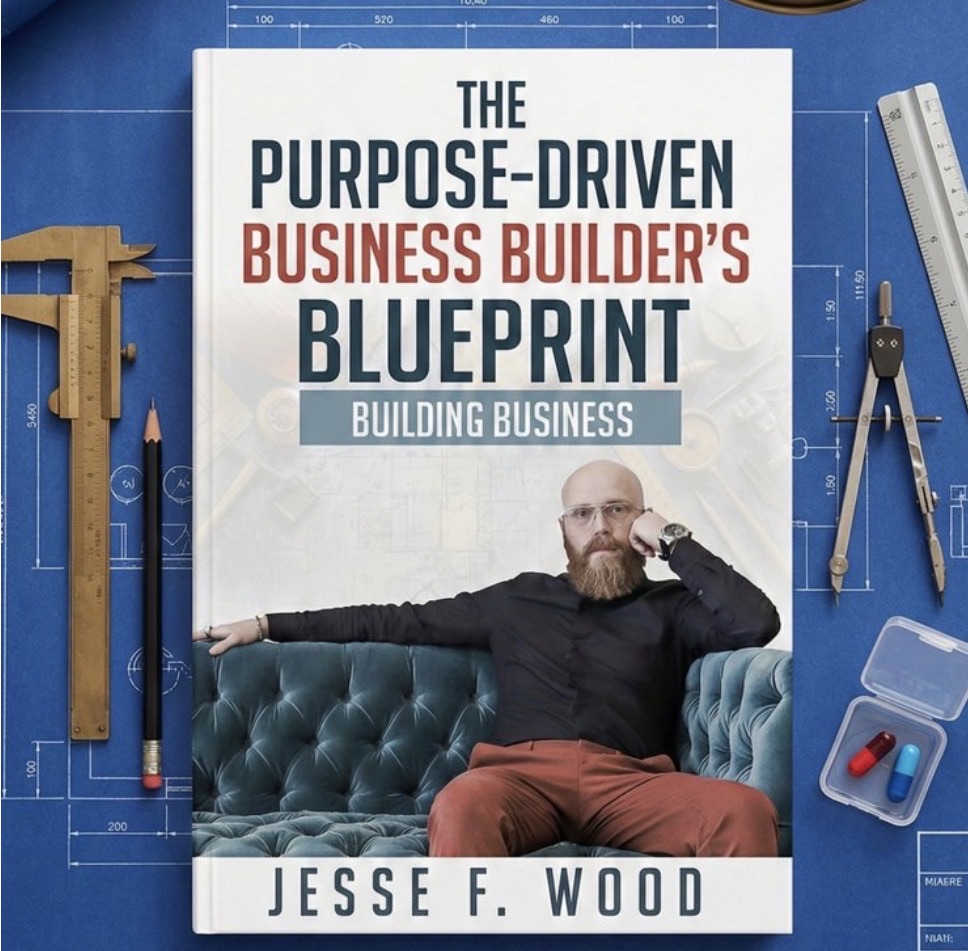
The Purpose-Driven Business Builder's Blueprint walks you through all 7 steps.