Is Life Insurance an MLM? An Honest Answer
Is life insurance an MLM? An honest answer from a licensed agent: how insurance team building works and how it differs from network marketing.
Quick answer: Selling life insurance isn't an MLM by itself. But many insurance marketing organizations use a multi-level structure: you earn on your own sales and on the sales of agents you train. What separates a healthy one from a bad one is where the money comes from: real policies for real clients, not recruiting fees or inventory.
"Is this an MLM?" might be the most common question I get from people looking at the financial services business. And I love it. It means you're paying attention.
So let me answer it the way I answer it on a call: honestly, without getting defensive, and with a question back to you.
Is network marketing the same as MLM?
Mostly, yes. Network marketing, multi-level marketing and direct selling are names for the same basic idea: independent people sell a product and can also earn on the sales of people they bring in. Companies prefer "network marketing" or "direct selling" because "MLM" carries baggage. The FTC uses "multi-level marketing" (FTC business guidance on MLM).
Is life insurance an MLM?
Life insurance itself is just a product, sold every day by captive agents, independent brokers, banks and online companies. None of that is an MLM. But some insurance marketing organizations build their sales force in a multi-level way: an agent can earn on their own policies and an override on the policies of agents they recruit and train. If that's what you're looking at, yes, it has levels. I'd rather say that plainly than play word games.
The better question is the one the law actually cares about: where does the money come from? If it comes from real clients buying coverage they need, from licensed agents, that's a business. If it comes mainly from people paying to join, that's a problem no matter what it's called.
Why do so many people ask "is this an MLM?"
Usually because they've been burned, or watched someone they love get burned. When someone asks me, the first thing I say is, "What makes you ask?" Then I listen. Some people have done three of them. Some watched a sister fill a garage with product.
I get it. I grew up around people who sold spatulas, makeup and bags at home parties, and it felt like everybody was just trading stuff around the neighborhood. I had a huge negative view of it. So I'm not going to argue with your experience. I'm going to show you how this is different, and you can decide.
What does "multi-level marketing" actually mean?
Break it into its words. Multi-level: every organization you've ever been part of has levels. You start at the bottom, and someone above you decides when you move up and what you're paid. Marketing: every commercial you've ever seen. Every realtor on Facebook saying "choose me." That's marketing.
So the words themselves aren't the problem. What people hate about MLMs is specific: buying inventory to stay active, pressure to sell to friends, pay that depends on recruiting, and income promises that almost nobody reaches. Those are the things to look for.
How is insurance team building different from product network marketing?
- No inventory. You never buy product to stay qualified. There's nothing in your garage.
- A license, not a starter kit. To advise anyone on insurance you need a state license. Your exam and license fees go to the state and testing provider. Check any agent at your state insurance department.
- Regulated work. Insurance sales are overseen by state insurance departments, with rules on advertising, replacements and suitability.
- A needs-based product. I like to say we're in a needs-based industry, not a wants-based one. Families need protection, retirement income and a plan whether the economy is up or down. And you can't saturate that the way you can saturate a neighborhood with $50 spatulas.
- Pay from real clients. Commissions are paid by insurance companies when a client buys a policy. Clients don't pay for the conversation.
Where can insurance team building go wrong?
I'm not going to pretend every insurance team is healthy. Watch for:
- More talk about recruiting than about helping clients.
- Income numbers, cars, vacations and "quit your job" stories in the pitch.
- Pressure to buy leads, events or coaching before you're even licensed.
- Pressure to sell to your whole contact list in week one.
- No published earnings disclosure, or a leader who won't show it to you.
The full checklist is in MLM vs pyramid scheme: red flags of a bad opportunity.
So is a builder business better than network marketing?
For me, yes, for the reasons above. But "better" depends on what you want. If you love a product and want a side income selling it, a reputable direct selling company might fit you. If you want to learn how money works, serve families and possibly build an agency over years, a builder business in financial services is a different animal. I compare all of the options side by side in builder model vs MLM vs commission only.
Whatever you look at, make the company prove it. Ask the hard questions. Worst case, you walk away more educated than when you started. Start with these questions to ask before joining a financial services company.
Frequently asked questions
Is network marketing the same as MLM?
Mostly, yes. Network marketing, multi-level marketing and direct selling describe the same model: independent sellers earn on their own sales and on the sales of people they bring in.
Is selling life insurance an MLM?
Selling life insurance isn't an MLM by itself. Some insurance marketing organizations use a multi-level structure, where agents earn on their own policies and on agents they train. The key test is whether pay comes from real policies for real clients.
Do you have to buy inventory to sell life insurance?
No. There's no inventory in insurance. You need a state license, and the costs of the exam and license go to the state and testing provider.
Why do people say insurance companies are pyramid schemes?
Usually because of recruiting-heavy pitches and income hype. A pyramid scheme pays mainly for recruiting. Insurance commissions are paid when real clients buy real policies, but any team that leads with recruiting and money promises deserves a hard look.
You're not stuck. You're on a step. And the whole point of building is that every step stays built.
Let's build together.
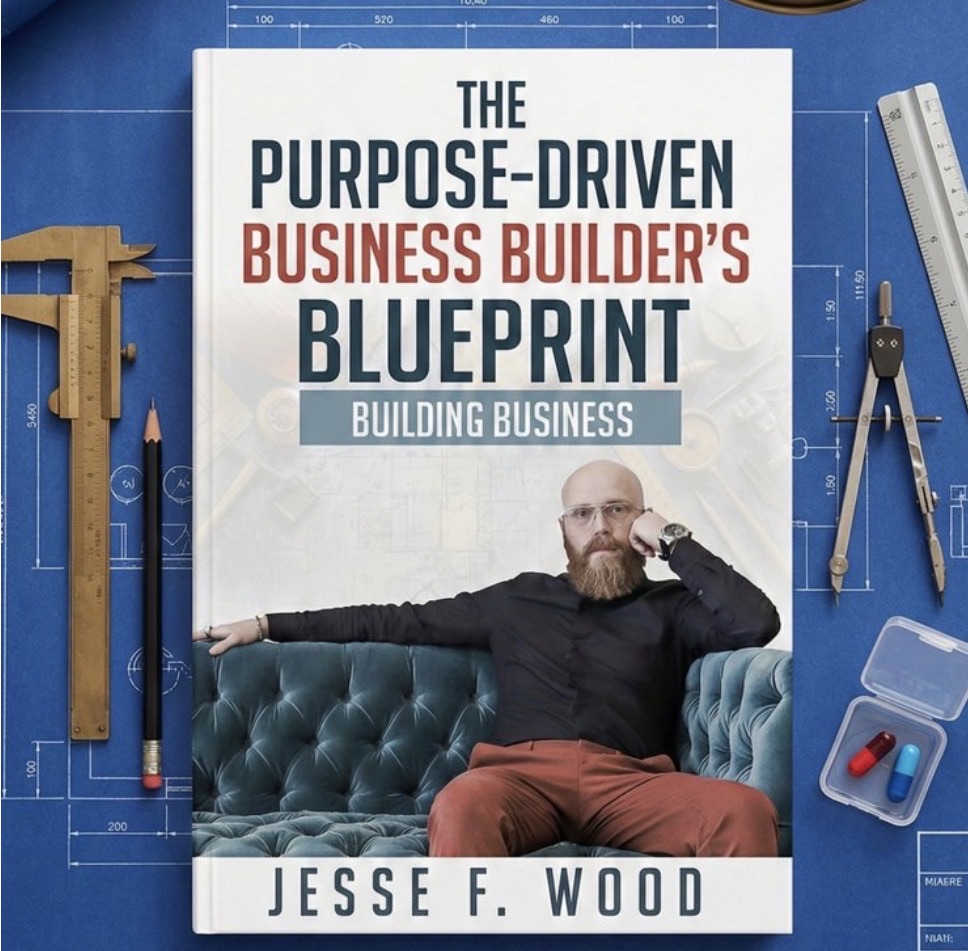
The Purpose-Driven Business Builder's Blueprint walks you through all 7 steps.